 Austin FC Hub
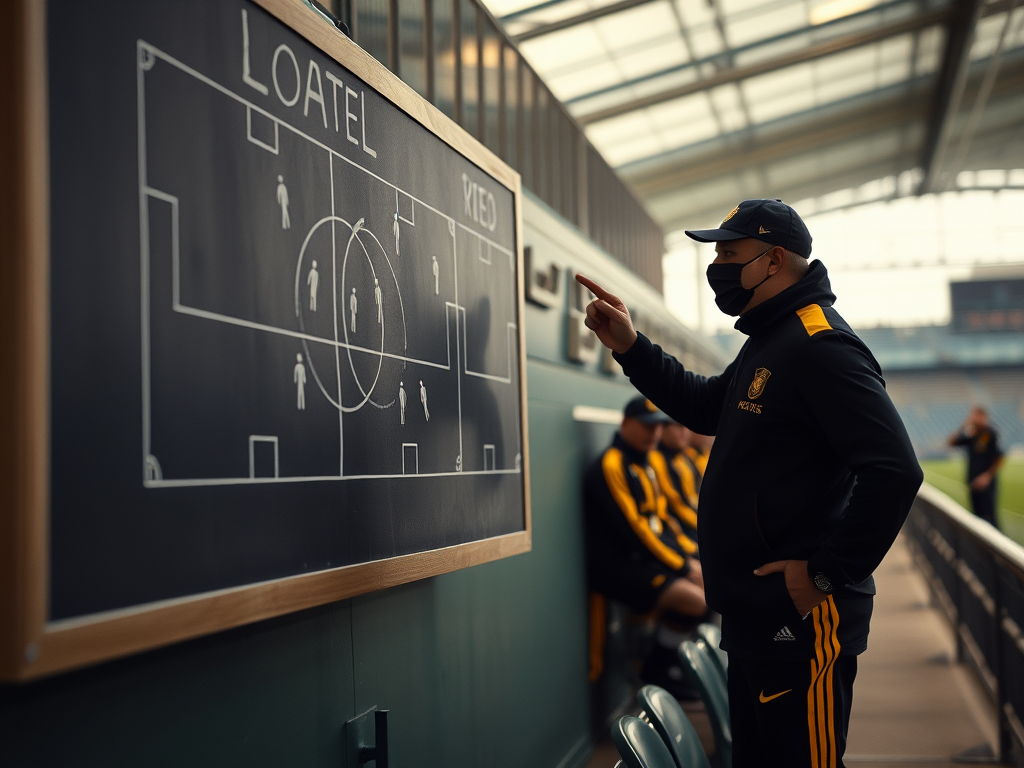
Tactical Adjustments for Austin FC's Continued Success
As the season progresses, Austin FC has demonstrated both resilience and skill on the pitch, showcasing their potential as a formidable force in the league. However, to translate this promise into consistent results, it's essential to analyze their current tactical setup and consider some adjustments that could enhance their gameplay.
Current Tactical Form
In recent matches, Austin FC has relied heavily on a fluid 4-3-3 formation that emphasizes wing play and quick transitions. The combination of width provided by their wingers and the central presence of midfielders like Omar Ciss has allowed them to create numerous goal-scoring opportunities. Yet, while this approach has its merits, it also exposes the team to vulnerabilities, particularly in midfield transitions when possession is lost.
Defensively, Austin has shown moments of solidity, anchored by the impressive performances of E. Panicco, but a more cohesive structure is needed to withstand sustained pressure from opponents. The current formation can sometimes leave the midfield susceptible to counterattacks, especially against teams that press high and exploit spaces left behind.
Suggested Tactical Tweaks
1. Transitioning to a 4-2-3-1
One potential adjustment could be shifting from a 4-3-3 to a 4-2-3-1 formation. This change would involve deploying two holding midfielders, allowing for greater stability in the center of the park. By placing an additional player in front of the backline, Austin can better protect against counterattacks and maintain possession during transitional phases. The presence of two defensive midfielders would also provide more passing options for the backline, facilitating smoother build-up play.
2. Utilizing Full-Backs in Attack
Another tweak could be to encourage full-backs to push forward more aggressively. While both full-backs have shown capability in joining the attack, a more defined role in overlapping runs can stretch opposing defenses, creating space for wingers to cut inside or for central midfielders to exploit. This would further enhance the attacking threat and provide more dynamic options in the final third.
3. More Fluid Movement in Attack
Encouraging more fluid movement among the attacking players could also yield dividends. Austin's forwards should be given the freedom to interchange positions, confusing defenders and creating mismatches. This fluidity would allow players like Alassane Ates Diouf to drop deeper and facilitate play, while wingers can make diagonal runs, pulling defenders out of position and creating space for oncoming midfielders.
4. Focus on Set Pieces
Lastly, enhancing their set-piece strategy could be crucial. While Austin has shown promise in open play, refining their set-piece routines could turn them into a more dangerous team during dead-ball situations. By incorporating creative movements and varied delivery techniques, they can capitalize on opportunities that arise from free kicks and corners.
Conclusion
By implementing these tactical tweaks, Austin FC can build on their current form and tackle the challenges that lie ahead. A more balanced formation, aggressive full-back play, fluid attacking movement, and a sharp set-piece strategy can provide the necessary edge to solidify their position in the league. As The Verde continue their quest for playoff success, these adjustments could be the key to unlocking their full potential.