 Austin FC Hub
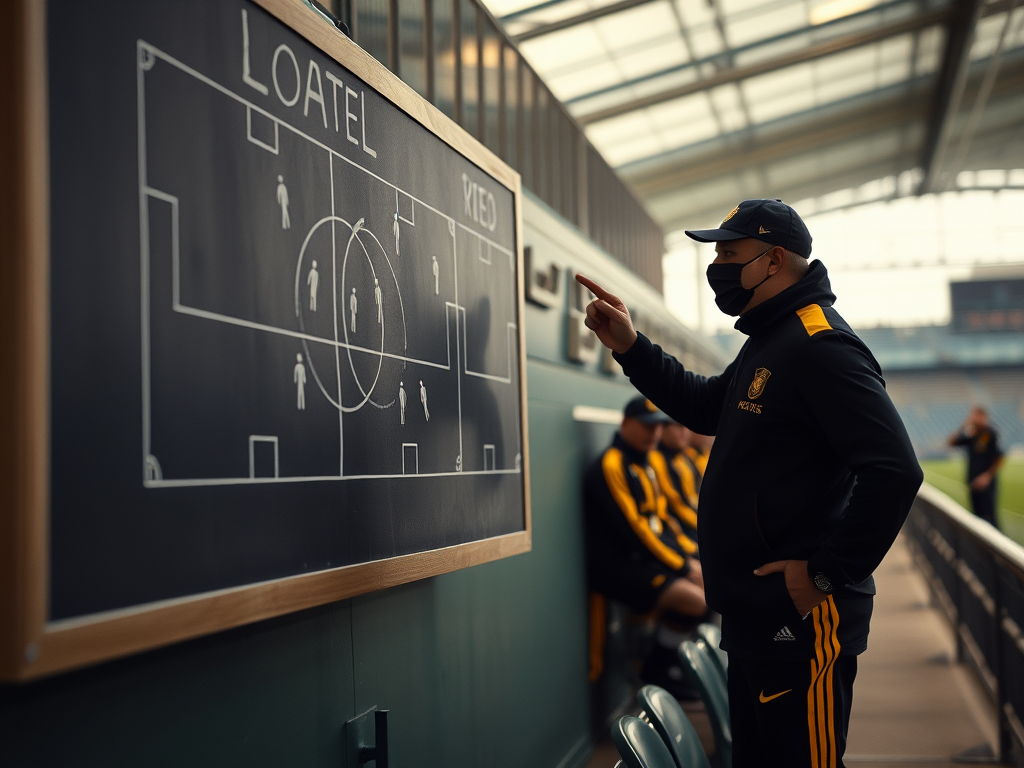
Tactical Adjustments for Austin FC: Fine-Tuning the Team's Structure
As the season progresses, Austin FC, affectionately known as The Verde, finds itself in a familiar position of wrestling with tactical inconsistencies. While flashes of brilliance have illuminated their play, particularly in the attacking third, a structured approach could elevate their performances to meet the expectations of fans and players alike. Here, we explore potential tactical adjustments that could refine their style of play and enhance stability across the pitch.
Emphasizing Compactness in Midfield
One of the most notable aspects of Austin FC's recent form has been the vulnerability of their midfield, particularly against teams that can exploit space quickly, leading to counter-attacks. To address this, a more compact midfield structure could be beneficial.
Switching to a 4-2-3-1 formation, with two holding midfielders, would not only provide added protection to the backline but also allow for greater ball retention. With Omar Ciss and Alassane Ates Diouf operating as a double pivot, they can disrupt opposing playmakers while also providing the necessary link between defense and attack. This tactical tweak would help Austin maintain possession and control the tempo of the match, which has been a key area of struggle in recent outings.
Encouraging Full-Back Overlaps
While the midfield's solidity is essential, the role of full-backs in Austin FC's tactical approach cannot be underestimated. Currently, the wing-backs have been somewhat restrained in their offensive contributions, which has limited width and attacking options. Encouraging full-backs to push forward and overlap with wingers could create dynamic attacking opportunities.
By integrating full-backs into the attack, Austin can stretch opposing defenses, creating space for central players like Alassane Ates Diouf to exploit gaps. This could be particularly effective against teams that prioritize a compact shape, as it forces them to stretch wide, opening up central lanes for attacking players to exploit.
Varied Attacking Patterns
Another area for improvement lies in the predictability of Austin FC's attacking patterns. Opposing defenses have begun to catch on to their tendencies, making it crucial to introduce varied attacking approaches. Incorporating a blend of short, quick passes in tight spaces, intermixed with direct balls over the top will keep defenses guessing.
Utilizing wingers like Nathaniel Adamolekun to cut inside while providing overlapping runs from full-backs can lead to mismatches against defenders. Additionally, introducing a rotation system among forwards could create confusion in marking assignments, allowing for more fluid movement and unexpected attacking threats.
Defensive Cohesion and Communication
Defensively, Austin FC has shown flashes of brilliance but has often been found wanting in moments of miscommunication. Establishing a clearer line of communication among the backline is essential. Regular defensive drills focusing on positioning, awareness, and decision-making during set pieces can enhance their overall cohesion.
Moreover, designating a vocal leader within the defensive unit, perhaps Collin Fernandez, who can organize and direct players during transitions, can significantly reduce lapses in concentration that have led to conceding crucial goals.
Conclusion
As Austin FC approaches the next phase of the season, these tactical adjustments could serve as the foundation for greater consistency and performance. By emphasizing midfield compactness, encouraging full-back overlaps, varying attacking patterns, and improving defensive communication, The Verde can maximize their potential and make a stronger push in the league. With the right tweaks, Austin FC can transform fleeting moments of brilliance into a comprehensive and cohesive approach that resonates with their passionate fanbase.